
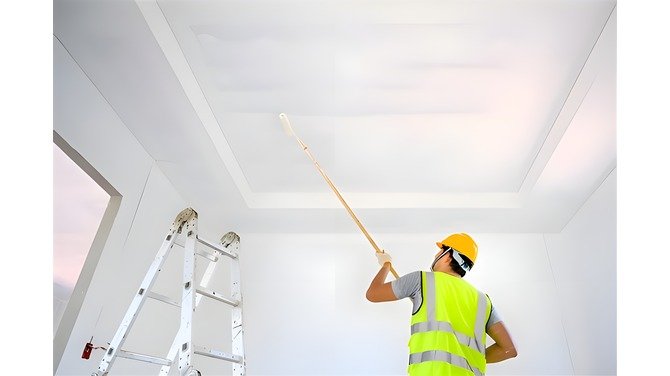
The ceiling is one of the most noticeable surfaces in any room, even though it is often overlooked when homeowners plan interior painting projects. Over time, ceilings can develop stains, discoloration, cracks, peeling paint, or an outdated appearance. A fresh coat of paint can brighten a room, improve the overall look, and create a cleaner and more finished interior. This is why many homeowners start researching the ceiling painting cost in 2026 when they notice that their ceilings no longer look fresh or match the rest of their interior. At Lizano Pro Painters LLC, our goal is to help homeowners refresh their interiors with clean, professional, and attractive painting results. We provide professional ceiling painting, surface preparation, primer application, repairs, and finishing solutions designed to improve the appearance of your ceilings.
In 2026, the cost of a ceiling painting project can vary depending on ceiling size, height, surface condition, texture, paint selection, labor requirements, and preparation work. For most homeowners, professional ceiling painting can cost between $200 and $500, with the average project costing around $250. Depending on the size and complexity of the project, costs can be as low as $150 or reach $10,000 for larger or more difficult ceilings. Standard ceiling painting is commonly priced around $0.50 to $5 per square foot depending on project conditions.
Why Is There Such a Wide Price Range?
The final cost of ceiling painting is not fixed because every project is different. It is not a simple one-price project but rather a combination of several important elements that affect the total investment.
These include:
- The size of your ceiling
- The height and accessibility of the ceiling
- The condition of the existing surface
- The type of ceiling texture
- The quality and type of paint selected
- Primer and surface preparation requirements
- Labor and equipment requirements
Unlike painting a standard wall, ceiling painting can involve ladders, extension poles, additional preparation, furniture protection, and careful application to achieve consistent coverage. If the ceiling has cracks, holes, stains, peeling paint, or damaged areas, additional preparation may also be required before painting. That is why understanding ceiling painting costs in 2026 is important before beginning any project. This guide helps homeowners understand realistic pricing, identify major cost factors, and make informed decisions.
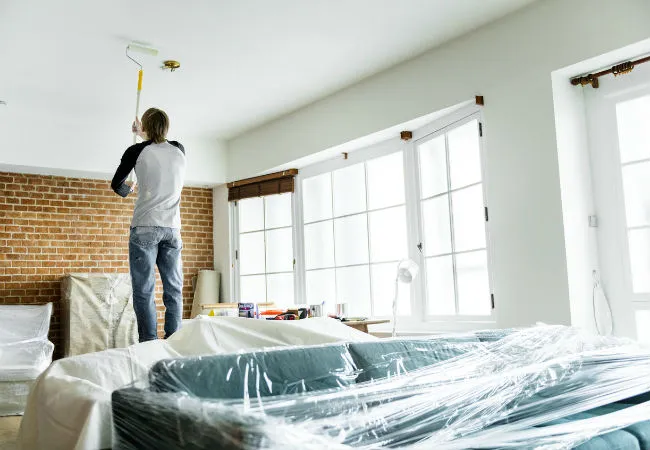
The 7 Key Factors That Decide Ceiling Painting Cost
The average painting cost may appear straightforward, but the actual investment depends on several different conditions. Every ceiling has unique requirements, which means each project has its own pricing structure.
Ceiling Size and Square Footage
The size of the ceiling is one of the biggest factors affecting painting costs. Larger ceilings generally require more paint, preparation, labor, and working time.
100 sq. ft.: $100 – $500
200 sq. ft.: $100 – $1,000
300 sq. ft.: $150 – $1,500
500 sq. ft.: $250 – $2,500
1,000 sq. ft.: $500 – $5,000
2,000 sq. ft.: $1,000 – $10,000
Smaller projects may have higher costs per square foot because contractors still need to account for travel, setup, equipment, preparation, and other fixed expenses.
Ceiling Height and Accessibility
Ceiling height can significantly affect the amount of labor and equipment required for a painting project. Standard eight-foot ceilings are generally easier to reach, while high or vaulted ceilings require additional setup and safety precautions.
Standard 8-Foot Ceiling: Lower labor requirements
10-Foot Ceiling: May add approximately $100 – $500
Vaulted Ceiling: $2 – $6 per sq. ft.
Ceiling Over Stairs: May require additional equipment and labor
High ceilings can require extension ladders, scaffolding, or other equipment. The additional setup and difficulty can increase the overall project cost.
Ceiling Type and Texture
The type of ceiling surface can also influence the total cost. Smooth ceilings are generally easier to paint, while textured surfaces can require more paint and additional application time.
Smooth or Flat Ceiling: $0.50 – $3 per sq. ft.
Popcorn Ceiling: $1 – $3 per sq. ft.
Tongue-and-Groove Ceiling: $1.50 – $5 per sq. ft.
Exposed Basement Ceiling: $2 – $6 per sq. ft.
Textured ceilings can require more material because paint needs to cover raised areas and grooves. Some surfaces may also require additional preparation before painting.
Paint Type and Quality
The type and quality of paint selected can affect the material portion of the project cost. Ceiling paint is typically designed to provide good coverage while reducing visible imperfections and drips during application.
Standard Ceiling Paint: $20 – $60 per gallon
Premium Ceiling Paint: $30 – $60+ per gallon
One gallon generally covers around 350 to 400 square feet with one coat. Most ceilings may require two coats depending on the existing color, surface condition, and type of paint being used.
Choosing a quality ceiling paint can provide better coverage and a more consistent finish while helping the new coating last longer.
Surface Preparation and Repairs
A ceiling in good condition usually requires less preparation before painting. However, cracks, holes, peeling paint, water stains, or damaged drywall may need to be repaired first.
Minor Ceiling Repairs: $100 – $400
Moderate Repairs: $400 – $1,000
Extensive Repairs: $1,000 – $1,500+
Professional ceiling repairs can increase the project cost, but proper preparation is important for achieving a smooth and attractive finish. Simply painting over damaged areas may not hide the underlying problem.
Labor and Contractor Costs
Labor is another important part of the total ceiling painting budget. Professional painters may charge by the hour, square foot, or overall project depending on the work involved.
Professional Painting Labor: $25 – $75 per hour
Standard Ceiling Painting: $0.50 – $5 per sq. ft.
High or Difficult Ceilings: Higher labor costs may apply
Projects involving high ceilings, textured surfaces, extensive preparation, or multiple coats generally require more labor. Professional painters also provide the equipment and experience needed to complete the work safely and efficiently.
Trim and Crown Molding
Some ceiling painting projects also include crown molding, decorative trim, beams, or other architectural features. These areas require careful cutting and additional preparation.
Crown Molding Painting: $0.50 – $3 per linear foot
Decorative Trim: $0.50 – $3 per linear foot
Painting these features as part of the same project can be more convenient and may help homeowners avoid additional project minimums.
Ceiling Painting Average Cost by Project Size
| Ceiling Size | Estimated Cost | Typical Considerations |
| 100 sq. ft. | $100 – $500 | Small room or limited ceiling area |
| 200 sq. ft. | $100 – $1,000 | Bedroom, bathroom, or office ceiling |
| 300 sq. ft. | $150 – $1,500 | Medium-sized room |
| 500 sq. ft. | $250 – $2,500 | Large room or combined ceiling area |
| 1,000 sq. ft. | $500 – $5,000 | Multiple rooms or larger interior |
| 2,000 sq. ft. | $1,000 – $10,000 | Extensive ceiling painting project |
Note: Actual painting costs vary depending on ceiling size, height, surface condition, texture, paint selection, preparation requirements, labor rates, and location. High ceilings, textured surfaces, extensive repairs, and specialty finishes can increase the total project cost.
Key Signs Your Ceiling Needs a Fresh Coat of Paint
The signs above can help homeowners understand when ceiling painting may be necessary, but some ceiling problems become more noticeable over time and may require professional attention.
Visible stains are one of the most common reasons homeowners decide to repaint a ceiling. Water marks, smoke discoloration, dirt, and general aging can make the surface look dull or uneven. Peeling or flaking paint can also indicate that the existing coating is no longer providing a clean finish. Cracks, patched areas, and visible imperfections may become more noticeable as the ceiling ages. In some cases, homeowners may also decide to repaint when updating the walls, changing the interior color scheme, or preparing a property for sale. A fresh ceiling finish can help create a brighter, cleaner, and more consistent appearance throughout the room.
Does Ceiling Painting Improve Home Appearance?
A professionally painted ceiling can make a room look cleaner, brighter, and more finished. Light-colored ceilings can reflect natural and artificial light, while a fresh uniform coating can help reduce the appearance of stains and minor imperfections.
Ceiling painting can also complement other interior improvements. When ceilings, walls, and trim are updated together, the entire room can have a more consistent and refreshed appearance. For homeowners preparing to sell, clean and well-maintained ceilings can also contribute to the overall presentation of the property.
How Can You Reduce Ceiling Painting Costs?
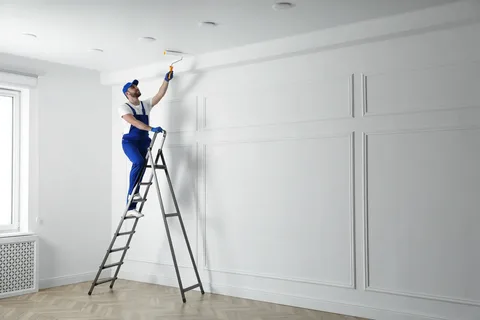
Homeowners can take several practical steps to keep ceiling painting expenses within budget. Preparing the room before the project begins can reduce setup time, while moving furniture and protecting valuable items can help the painter work more efficiently.
Addressing minor repairs before painting may also prevent larger preparation costs later. Choosing a standard ceiling finish instead of a specialty coating can help control material expenses. If multiple rooms need painting, completing them during the same project may also reduce repeated setup and minimum service charges.
It is also helpful to compare detailed estimates and confirm whether each quote includes preparation, repairs, primer, paint, multiple coats, cleanup, and equipment.
Why Professional Ceiling Painting Matters
Ceiling painting requires more than simply applying paint with a roller. Professionals understand how to prepare different ceiling surfaces, repair minor imperfections, apply primer when necessary, and achieve consistent coverage. Proper preparation is especially important when the ceiling has stains, cracks, peeling paint, or an existing textured finish.That is why choosing a professional ceiling painting contractor in Randolph, NJ is essential for achieving high-quality and long-lasting results. Professional painting experts ensure the ceiling is properly prepared, primed, painted, and finished from start to finish.
Professional painters also have the equipment and experience needed to work safely on high, vaulted, or difficult-to-access ceilings. They can protect floors and furniture, maintain clean edges, and apply the appropriate number of coats for a smooth and consistent finish. This can help homeowners avoid uneven coverage, visible roller marks, paint drips, and unnecessary repainting.
At Lizano Pro Painters LLC, we focus on careful preparation and professional ceiling painting from start to finish. Our team helps homeowners refresh outdated ceilings, address surface imperfections, apply quality finishes, and create clean results that complement the rest of the interior.
Conclusion
The cost of ceiling painting in 2026 depends on many factors including ceiling size, height, surface condition, texture, paint selection, preparation, and labor requirements. While a typical professional ceiling painting project may cost between $200 and $500, larger or more complex projects can cost significantly more. Projects involving vaulted ceilings, textured surfaces, extensive repairs, or difficult access may require additional labor and materials.
At Lizano Pro Painters LLC, we help homeowners refresh their ceilings with professional painting and careful surface preparation. From smaller room projects to larger ceiling painting jobs, our team focuses on clean application, proper preparation, and attractive results designed to improve the overall appearance of your interior.
FAQs
1. How much does ceiling painting cost in 2026?
Most professional ceiling painting projects cost between $200 and $500, with an average cost of around $250. Larger or more complex projects can cost significantly more.
2. How much does it cost to paint a ceiling per square foot?
Ceiling painting can cost approximately $0.50 to $5 per square foot depending on the ceiling size, type, condition, height, and labor requirements.
3. Does ceiling height affect painting costs?
Yes. High and vaulted ceilings generally require additional labor, equipment, and safety measures, which can increase the overall project cost.
4. Does a textured ceiling cost more to paint?
Yes. Textured ceilings generally require more paint and labor than smooth ceilings, so they can cost more to paint.
5. Do ceiling repairs increase painting costs?
Yes. Cracks, holes, peeling paint, water stains, and damaged areas may require repairs, primer, or additional preparation before painting, increasing the overall cost.