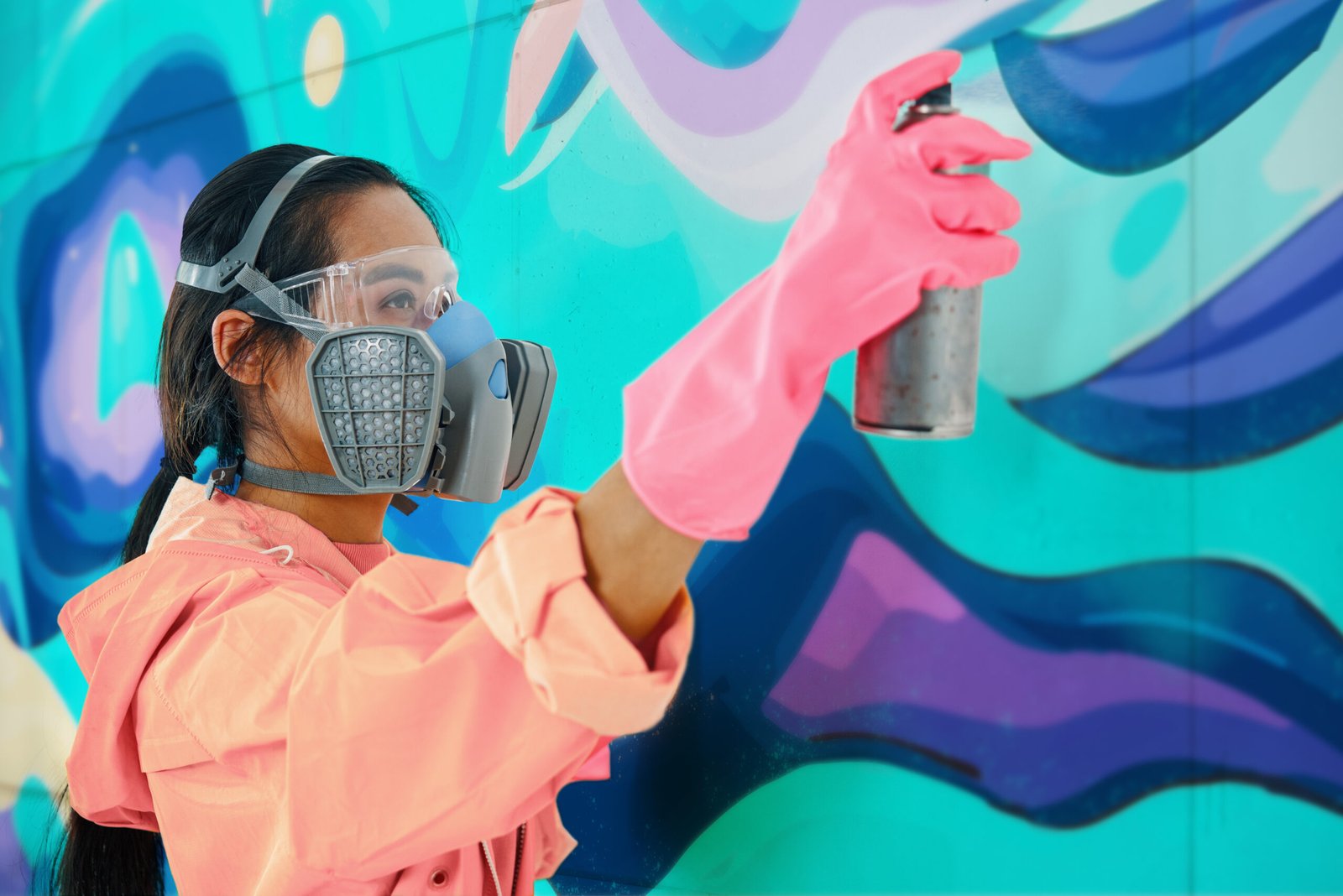
Painting can completely change the look of your home or business, but traditional painting methods can take a lot of time and effort. Using brushes and rollers often means applying multiple coats and spending hours covering large areas.
That is why many people now prefer spray painting. It helps cover surfaces much faster and gives a smooth, professional finish. But why is spray painting faster than traditional painting methods? In this guide, we’ll explain how spray painting works, why it saves time, and the benefits it offers for different painting projects.
The Problem With Traditional Painting Methods
Before understanding the advantages of spray painting, it’s important to understand the limitations of conventional painting methods.
Traditional painting often creates several challenges:
- Slow progress on large surfaces
- Constantly stopping to reload brushes and rollers
- Uneven paint application
- Visible brush and roller marks
- Difficulty reaching textured surfaces
- Additional time required for touch-ups and second coats
- Increased labor costs on larger projects
These issues become even more noticeable when painting commercial buildings, large homes, fences, ceilings, cabinets, or exterior surfaces.
Why Spray Painting Saves Time
1. Spray Painting Covers Large Areas Much Faster
The biggest advantage of airless spray painting is speed. Professional airless sprayers push paint at high pressure, creating a fine mist that covers large surfaces in seconds.
For comparison:
Traditional rollers: 150–200 sq. ft. per hour
Spray painting: up to 1,000 sq. ft. per hour
This makes high-quality spray painting ideal for large residential and commercial projects.
2. Spray Painting Eliminates Constant Stopping
Traditional painting is repetitive.
Painters must:
- Dip the roller or brush into the paint
- Remove excess paint
- Apply it to the surface
- Repeat the process continuously
This stop-and-start cycle consumes a substantial amount of working time.
Unlike brushes and rollers, spray systems pull paint directly from containers. This removes constant dipping and reloading, making the process smooth and continuous.
This is one of the key reasons spray painting techniques are preferred in professional work.
3. Spray Painting Easily Reaches Textured Surfaces
Painting textured surfaces with brushes or rollers can be frustrating and time-consuming.
Surfaces that are difficult to paint traditionally include:
- Stucco walls
- Brick exteriors
- Rough wood surfaces
- Popcorn ceilings
- Decorative trims
- Detailed moldings
Brushes often fail to reach deep crevices, while rollers require multiple passes.
This is especially useful in interior spray painting and exterior renovation work, where brushes cannot reach deep textures.
4. Spray Painting Creates A More Even Finish
Traditional painting can leave behind visible imperfections such as:
- Brush strokes
- Roller marks
- Uneven textures
- Paint buildup
Spray painting delivers a consistent layer across the entire surface.
Professional painters can also control:
- Paint thickness
- Spray pressure
- Spray patterns
- Application speed
This creates a smooth, factory-quality appearance.
5. Spray Painting Reduces The Need For Multiple Coats
In many traditional painting projects, surfaces require multiple applications to achieve complete coverage.
Each additional coat adds:
- More labor time
- More drying time
- Higher project costs
Professional spray systems can apply paint evenly at the recommended thickness in a single pass, reducing the need for extra coats.
6. Spray Painting Reduces Physical Fatigue
Painting large properties with rollers and brushes is physically demanding.
Painters often experience fatigue in their:
- Arms
- Shoulders
- Wrists
- Back
As fatigue increases, productivity naturally decreases.
Spray painting requires less physical effort because the equipment performs most of the work.
Types of Spray Painting
Spray painting is not a one-size-fits-all method. Different types are used depending on the surface, project size, and finish required.
1. Airless Spray Painting
Best for large surfaces like walls, ceilings, and exteriors. Commonly used in spray painting for walls and commercial projects.
2. HVLP Spray Painting (High Volume Low Pressure)
HVLP sprayers use low pressure and give more control. They are ideal for detailed work like cabinets, furniture, and trim.
3. Compressed Air Spray Painting
This traditional method uses compressed air to spray paint. It provides a smooth finish but can create more overspray compared to modern systems.
Spray Painting vs Traditional Painting
| Feature | Spray Painting | Brush & Roller Painting |
| Speed | Very fast, covers large areas quickly | Slow, requires repeated strokes |
| Finish Quality | Smooth and even finish | May show brush or roller marks |
| Labor Effort | Low physical effort | High manual effort |
| Paint Usage | Slightly higher due to overspray | More controlled paint usage |
| Surface Coverage | Reaches corners and textures easily | Difficult on rough or detailed surfaces |
| Best For | Large walls, exteriors, and commercial spaces | Small rooms, touch-ups, detail work |
| Skill Required | Professional skill recommended | Easier for DIY use |
Why Hiring Professional Spray Painters Matters
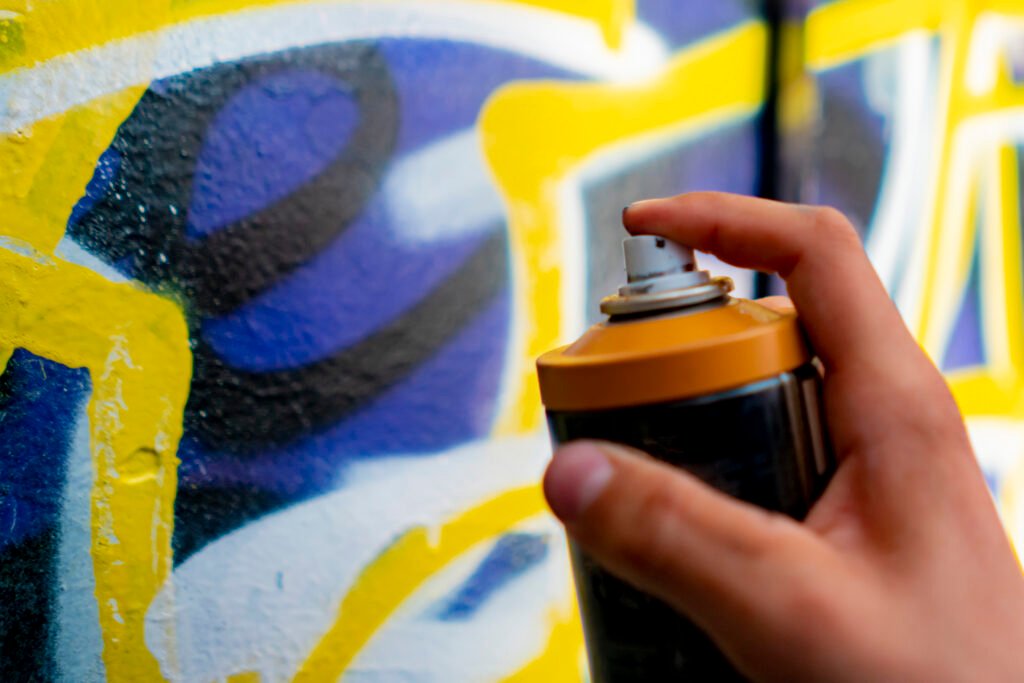
Although spray painting is faster, it requires skill to achieve a smooth finish. Poor use can lead to overspray, uneven coverage, drips, waste, or even damage. Professionals avoid these issues through proper surface preparation, using protective coverings, and cleaning surfaces before painting.
They also use high-quality spray equipment and apply the correct pressure, angles, and techniques to ensure even coverage, strong adhesion, and a clean, professional result.
Conclusion
If your goal is to complete a painting project faster without losing quality, spray painting is one of the most efficient solutions available. Compared to traditional methods, spray painting vs brush painting clearly shows faster results, smoother finishes, and better efficiency. However, professional results depend on proper preparation, advanced equipment, and skilled execution.
Hiring experts in high-quality spray painting ensures durability, precision, and time savings. Whether it’s spray painting for walls, cabinets, or interior spray painting, this method helps transform spaces quickly and professionally.
FAQs
Does spray painting require more preparation time?
Yes. Spray painting requires masking and protecting surrounding areas to prevent overspray. However, for larger projects, the time saved during painting far outweighs the preparation time.
Does spray paint dry faster than traditional paint?
Not necessarily. Drying time depends on the type of paint, temperature, and humidity levels. However, spray painting applies paint more evenly, helping surfaces dry consistently.
Does spray painting use more paint?
Yes. Spray painting can use approximately 20% to 30% more paint due to overspray and equipment residue. However, labor savings often offset the additional paint cost.
Can spray painting be done outdoors in windy conditions?
No. Wind can disrupt paint application and cause overspray onto nearby surfaces. Most professionals avoid spraying when wind speeds exceed 10 to 15 mph.
Which is better: Airless sprayers or HVLP sprayers?
Airless sprayers are ideal for large surfaces and fast coverage. HVLP (High Volume, Low Pressure) sprayers provide greater precision and are better suited for cabinets, furniture, and detailed finishing work.